Proof, not paperwork.
Demia builds the infrastructure that signs, governs, and verifies operational data at the source. We start with the commodity markets that the global economy builds on: agriculture, energy, and critical minerals. From there, we extend to the defense, industrial, and environmental supply chains that depend on them. In those supply chains, a claim is only as good as the evidence behind it.
We started from a simple observation. Most compliance and audit failures are not fraud, but gaps. One gap is a handoff that nobody logged. Another is a record that someone rebuilt after the fact, because nobody captured it at the moment it happened. Demia closes that gap at the point of capture, so the record is trustworthy before anyone has to argue about it.
The team that runs the company.
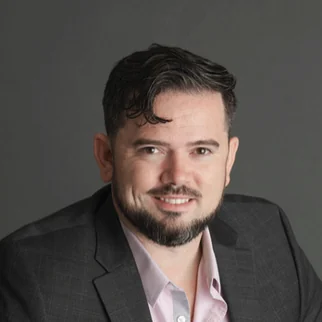
Mat is a U.S. Army combat veteran. Mat was a DoD planner for digital forensics and cybersecurity operations, with a background in NSA, USCYBERCOM, and DC3 forensics work. Mat led mobility and automotive data-verification programs at an early distributed-ledger technology foundation. Mat then founded Demia to bring that same rigor to compliance-critical data. After ten years of work, the technology is now commercially mature enough to run at enterprise scale.
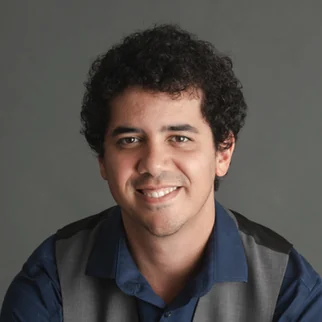
Dyrell started as a software engineer at an early distributed-ledger technology foundation. There, Dyrell built secure-messaging and distributed-ledger protocols. Dyrell then built Demia's original digital MRV product as a core developer, and later co-founded the company. Dyrell trained in architectural technologies at SAIT, then moved into distributed systems engineering.
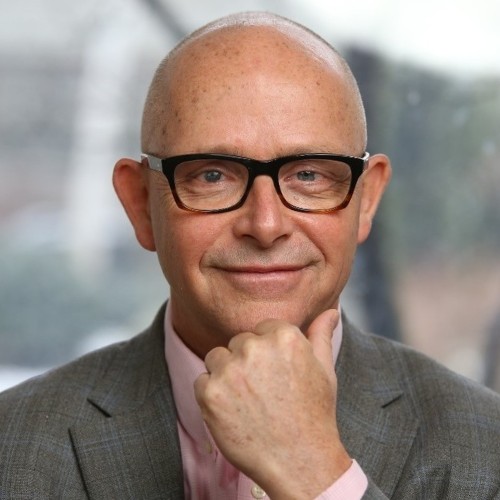
Nicholas coined the term cleantech. He introduced the term to finance and business in 2002, when he co-founded Cleantech Group. He chaired Cleantech Group through 2013, and in that time the group helped mobilize over $6B in private capital. He has more than three decades of work on ventures and funds. His roles include founder of CleanAI, Executive Chair of Clean Earth Acquisitions Corp. and former Chair of Corporate Knights.
The people who build and deliver the platform.
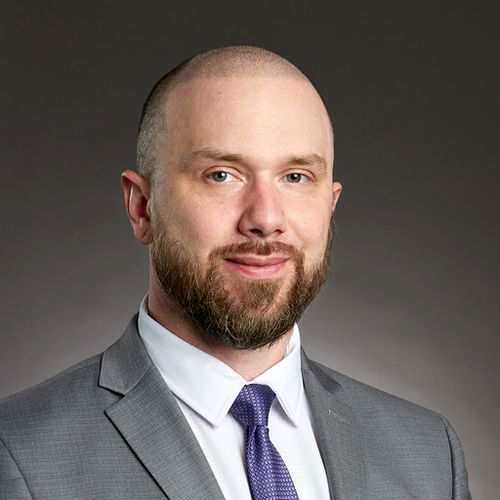
Jon runs Demia's operations and contract delivery. He is a U.S. Army veteran with 20 years in cyber operations and critical infrastructure protection. He served as an operations planner at USCYBERCOM and MARFORCYBER. He led cyber operations for new defensive capabilities at By Light. He was also DISA's ICS/SCADA subject matter expert. He holds PMP and CEH certifications.
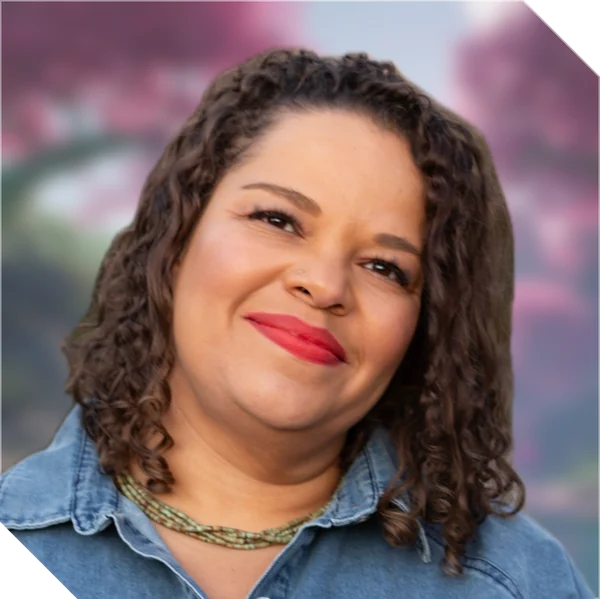
Rori leads Demia's environmental services and carbon market strategy. She has fifteen years of work across the full lifecycle of carbon projects. She was lead author of the first methodology for the Ecosystem Services Market Consortium. She audited a range of project types at SCS Global Services. She was also a Director and Sustainability Advisor at Radicle. Radicle became BMO Radicle after BMO acquired it.

Brord is a full-stack engineer. Before Demia, Brord built distributed-ledger infrastructure for six years at an early distributed-ledger technology foundation. Brord is based in Barcelona. Brord's background covers blockchain, secure messaging, and platform engineering.
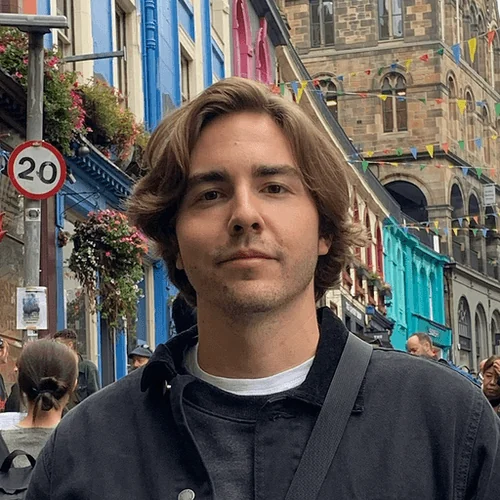
Matthew is a full-stack engineer with five years at early-stage startups. Most recently, he spent two years at a climate-tech company. There, he owned features end to end, from user discovery through design, build and deployment. His recent work covers geospatial raster visualization, production Rust services on PostgreSQL, a 38-component React UI library and an AI assistant grounded in carbon-market methodologies. He is based in Austin.
Advisors who help set the rules of the markets we serve.
Demia's advisors cover carbon market leadership, UN climate negotiations, climate law, global banking, sustainability exchanges and enterprise AI. They work where the standards for trusted data take shape.

Katie is Managing Director of the International Emissions Trading Association (IETA), the leading business voice on carbon markets. At IETA, she drives strategic partnerships and global outreach. She served on the boards of the Climate Action Reserve and the International CCS Knowledge Centre. She also served on the global steering committee of the Carbon Pricing Leadership Coalition. She is a Clean16 and Clean50 honoree in Canada.
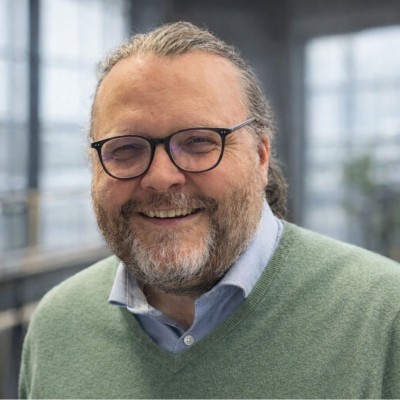
Pat leads enterprise architecture and strategic engagements at NTT DATA. Before that, Pat was Principal AI Evangelist at World Wide Technology and Global AI Architect at Cisco. Earlier roles include Lockheed Martin and Turner Broadcasting. Pat is a CPA turned technologist and the founder of Firefly, Gluware and Triangility. Pat is also the author of the bestselling Get in the Boat: A Journey to Relevance.
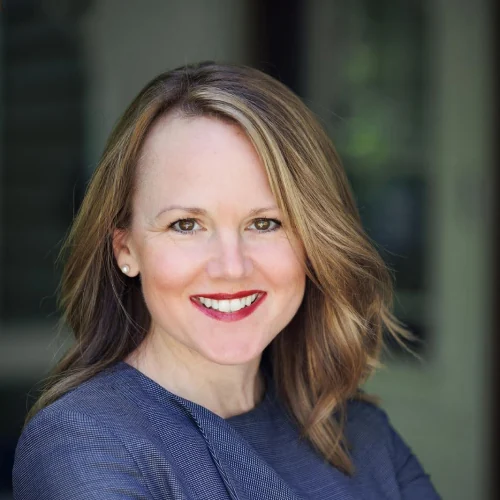
Maria is Chief Product Officer and EVP at GIX (Green Impact Exchange). GIX is the SEC-registered U.S. stock exchange for the sustainability economy. At GIX, she leads the carbon credit, tokenized asset and green index products. She was previously Partner and Head of ESG Solutions USA at ESG Book. She helped grow ESG Book into a global sustainability data platform. Lists of Sweden's most powerful women in business and in sustainability include her.
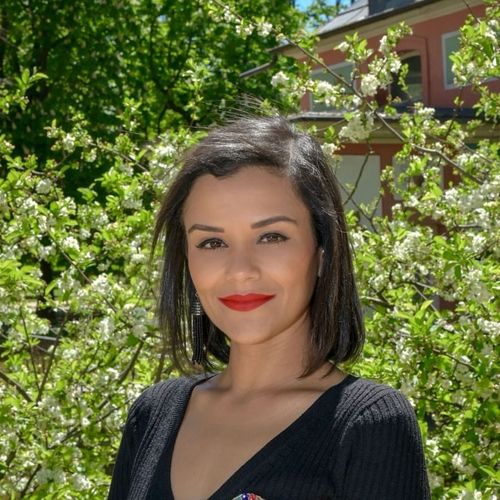
Nathalie is Vice President of Carbon Markets at StoneX. She has more than 15 years of work across government, climate diplomacy and global markets. In 2023, she became the elected Vice Chair of the UNFCCC's Subsidiary Body for Scientific and Technological Advice. She supported over 50 countries in carbon market negotiations. She was previously Director of Climate Change Adaptation and Mitigation for the Dominican Republic.
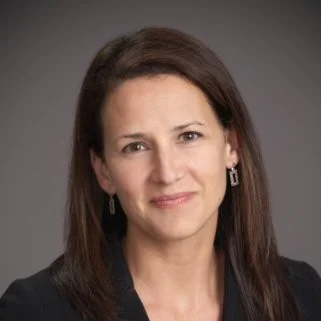
Lisa is Senior Partner and CEO of Resilient LLP. Lisa has three decades of work in climate change and clean energy law. Lisa is a member of the bar in Canada and in England. Chambers Global ranks Lisa among the world's leading climate change lawyers. Lisa is a director of IETA and Toronto Hydro. Lisa is also a member of the Expert Advisory Group of the Voluntary Carbon Markets Integrity Initiative.

Andy is a director of Royal Bank of Canada. Before that, he spent 30 years at Goldman Sachs. There, he co-led the Global Financial Institutions Group and served as Senior Strategy Officer. He chairs the Centre for Building Sustainable Value at Ivey Business School. He sits on the boards of MaRS Discovery District and Evergreen. He also served on Canada's federal Expert Panel on Sustainable Finance.
A decade of work. Ready to scale now.
For the better part of ten years, Demia's team built and hardened the verification technology behind the Zero-Trust Data Fabric. That work covered mobility, automotive, defense, and environmental-data programs, long before Demia existed as a company. Because of that history, the platform is commercially mature. It offers production-hardened cryptographic verification, not a research prototype that still looks for its first customer.
of work to build and harden distributed verification technology across mobility, defense, and environmental-data programs.
filed on the core verification and data-fabric technology that now runs in Demia's platform.
The Fabric verifies this volume in real time. The edge hardware runs on as little as 15 to 65 watts.
The platform operates in denied, disrupted, intermittent, or limited (DDIL) environments. It runs onsite and is self-hostable, with no required external data egress.
This is historical work from the founding team's prior roles. It covered the traceability of EV battery material across a multi-tier automotive supply chain. A case study is available on request.
The team led work under CityxChange and DIG_IT. That work contributed to the EBSI, GAIA-X, and Catena-X data-trust standards.
The World Bank and UNEP recognized these digital MRV pilots.
The platform is ready for enterprise deployment now. It is not a pilot that still has to prove the concept.